Wired vs. Wireless Cameras
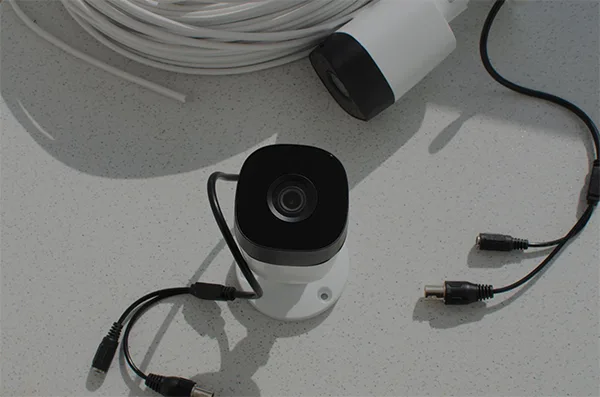
The distinction lies in the method of video transmission and power supply of the camera. The wired camera transmits video over a physical cable to the recording device, NVR or DVR. Many of the latest cameras utilize Ethernet cables, which provide power in addition to video, hence the name PoE camera. The wireless camera uses Wi-Fi to transmit video to the phone or to the cloud. It receives power from the battery, from a solar panel, or from a wall charger. In short, wireless generally implies that the video signal is wireless, but the power must be wired somehow.
Security Cameras: Wired and Wireless – The Major Distinctions
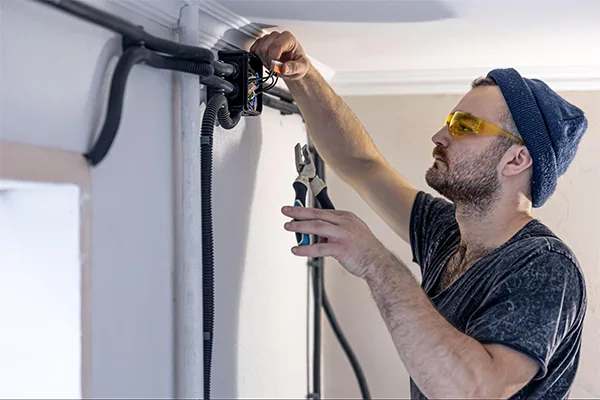
There are five key considerations when weighing wired against wireless security cameras: reliability, video quality, installation process, costs and security. Wired security cameras have an actual connection, meaning that the video will be stable and uninterrupted. Wireless security cameras rely on your router and wall density, which impacts their quality. Installation of wired security systems is a more complicated process, as wires have to be connected; meanwhile, wireless cameras may be mounted very quickly. Wired security systems are initially more expensive than wireless ones but offer lower operating costs in the long term.
Pros and Cons of Wired and Wireless Security Cameras
Just a cursory comparison between wired and wireless security cameras pros and cons will bring forth all the differences. The advantages of wired cameras are continuous recording capability, high-quality videos, no battery problem and decreased likelihood of being hacked because the videos will remain within a local network. On the other hand, wired cameras require more installation work, are expensive, and lack flexibility after the wiring has been done. The advantages of wireless cameras are ease of installation, mobility, and suitability in situations where cables cannot be easily installed. Disadvantages of wireless cameras are their dependence on Wi-Fi and frequent need to recharge/renew batteries.
Wired Security Camera Systems: Reliable Systems
If you require a reliable system that can be used over an extended period of time, then this is what you should go for. This is because the camera will not use your Wi-Fi and this means that high network activity will not affect the clarity of the video that you record. The 4K resolution cameras consume more bandwidth and this makes them work better using a wired connection. They record non-stop without changing the batteries and even in case there is no power, the system continues recording using a backup power supply system.
PoE vs WiFi Security Cameras Comparison
Many consumers want to find out what PoE vs WiFi security cameras are due to the fact that the two alternatives are the most different from each other. In the case of PoE cameras, only one Ethernet wire is needed for both powering and transmitting the data. This helps keep things neat and avoids additional power supply. The main advantage of PoE cameras is that they provide reliable video and excellent security. As for WiFi cameras, they are easy to set up and move around. However, they can be subjected to the issues of interference and poor connection speed if there are many devices on one network.
Wireless Security Camera System Versus Wired: Cost Analysis
In the case of analyzing the wireless vs wired security camera system cost, the initial cost reveals just one side of the picture. The wired systems tend to be more expensive due to the recorder, cables, and installation services. On the other hand, they will not charge any monthly cost as videos are stored in the local hard drive. Wireless devices can be more affordable as far as installation and cost of the device itself are concerned; nevertheless, batteries, solar panels, and the cost of storing video in the cloud will accumulate over several years.
Wired VS. Wireless Home Security Cameras
When it comes to wired vs wireless home security cameras, your personal circumstances will determine everything. In case you are an owner of your home and you don’t plan to leave it anytime soon, a wired system is your best option as it will give you a permanent and professional installation at your main entrance, driveway, garage, and backyard. On the other hand, if you live in a rented place or your home lacks accessible attics and walls, wireless will suit you much better, as there is nothing that has to be drilled and left behind after you are out of the place.
What are the best wired and wireless security cameras?
Therefore, which are the best wired and wireless security cameras? Get wired ones when you seek high reliability, clarity, recording without interruption and low maintenance. If quick installation and easy to install are your priorities, then go wireless. There is a way many people use, and it involves having a combination of both, with wired cameras at the entrances and wireless ones elsewhere. All that you will need is one recorder and maybe an app that will help you keep all things together.
When to Hire a Pro
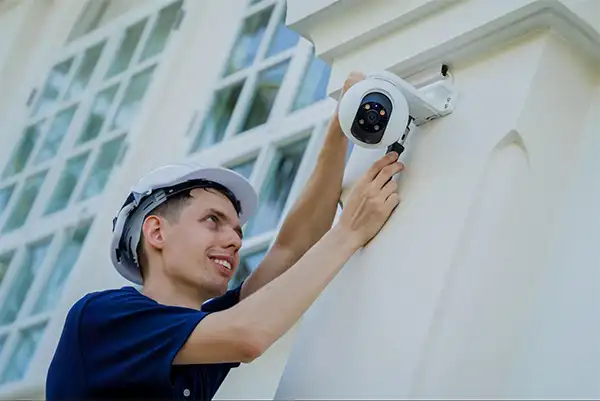
The installation of a wireless camera can be easily managed by anyone. However, a wired installation would require drilling, proper cabling, and configuration of recorders, any error of which may result in low-quality images or even harm your property. An installer will be able to provide you with proper coverage, ensure that cables are protected against the weather elements, conduct testing of night vision capabilities, as well as set up remote viewing. He or she will also advise you as to what cameras to install in your house.
Conclusion
There cannot be one single winning side when it comes to wired vs. wireless security cameras. While wired security systems are better in terms of reliability, quality, and security, wireless ones are more convenient and flexible and do not require much initial effort. Evaluate your location, budget and duration of your stay there, and the answer will appear. For more information on the topic you can check our Camrelo guide to wired vs. wireless security cameras and book a free consultation.